


Will new-energy electric ships become a new hotspot in 2026?
2026-01-09


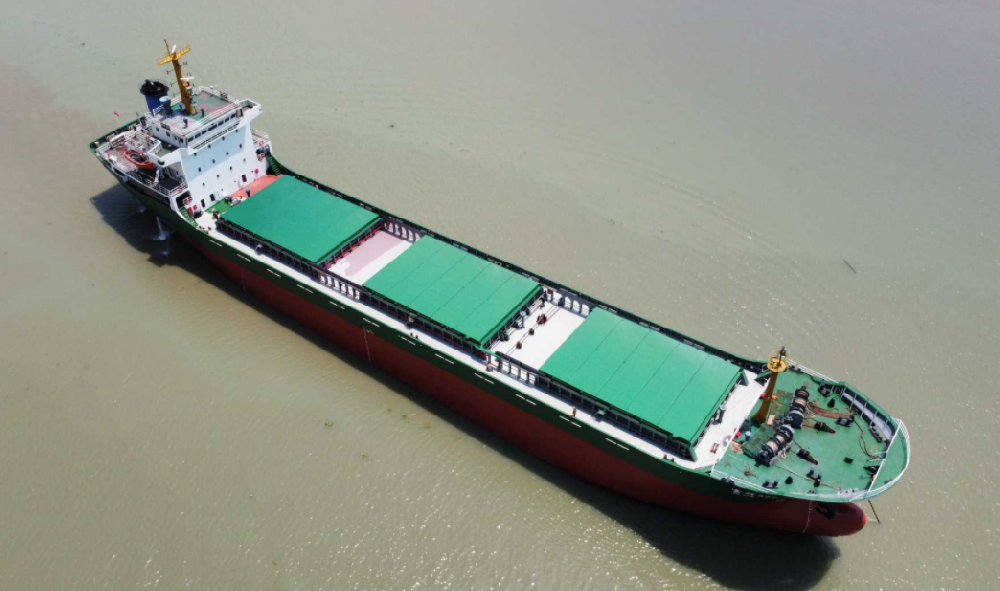
Following the trend that retail sales of new-energy passenger vehicles have surpassed those of fuel-powered vehicles, new-energy ships may emerge as the next hotspot. Pure electric multi-purpose ships, liquid methanol ships, liquefied natural gas (LNG) ships... Recently, there have been continuous reports of new constructions and launches of new-energy and clean-energy ships. The rapid development of new-energy ships brings new opportunities for the green transformation of the shipping industry and the energy sector.
The promotion of new-energy ships is an inevitable requirement of the times. Traditional fuel-powered ships emit large amounts of pollutants such as carbon dioxide, nitrogen oxides, and particulate matter during operation, causing damage to the atmospheric environment and river and marine ecosystems. Against the backdrop of global advocacy for green development and addressing climate change challenges, the shipping industry, as a significant contributor to pollutants and carbon emissions, urgently needs to find a sustainable development path. New-energy ships, with their clean and low-carbon characteristics, have become key to emissions reduction in the shipping industry.
Why is it said that the global market for new-energy ships is on the verge of explosion?
From a policy perspective, top-level designs are becoming increasingly well-developed. China has outlined a development blueprint for the new-energy shipbuilding industry, providing subsidies for the construction of new new-energy and clean-energy ships to financially support their development. Continuous policy efforts have stimulated corporate enthusiasm, driving new-energy ships from research and development to application, and from pilot projects to large-scale development.
In terms of technological reserves, China has achieved significant results in the research and development of new-energy ship technologies, continuously breaking through key technological bottlenecks. Currently, China's new-energy and clean-energy ship technologies are rapidly developing towards diversification, intelligence, and standardization. Pure battery-powered ships are widely used in short-distance inland waterway routes, while LNG-powered ships are suitable for medium- and long-distance transportation. Hydrogen fuel cell ships and methanol-powered ships are also accelerating in research, development, and pilot projects. Multiple technological routes are being pursued simultaneously, with continuous improvements in ship performance and endurance to meet the needs of different navigation scenarios. At the same time, the deep integration of new-energy ships with autonomous driving and intelligent energy management systems not only enables automatic planning of optimal routes but also precisely controls energy consumption, further enhancing operational efficiency and significantly improving market competitiveness.
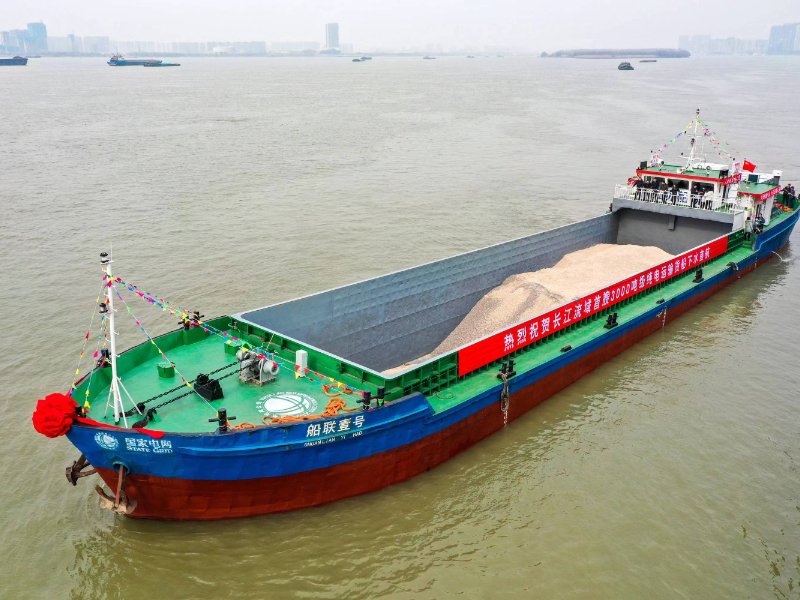
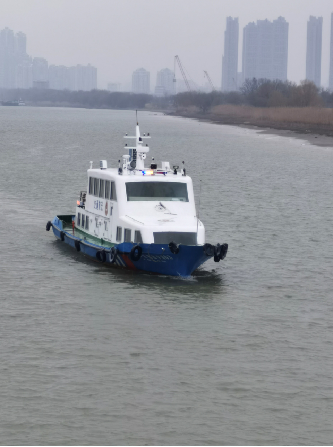
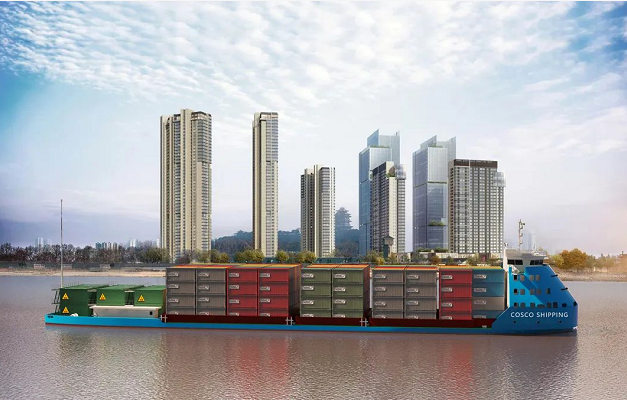
From the perspective of application demonstrations, new-energy ships have also demonstrated tremendous potential. In passenger transport, pure electric cruise ships, with their quiet, comfortable, and environmentally friendly features, provide a better travel experience for tourists and are well-received in the market. In the freight sector, the application of electric container ships not only reduces transportation costs but also decreases carbon emissions, meeting sustainable development requirements. In the field of public service vessels, the use of new-energy ships has improved law enforcement and service efficiency.
As technology continues to advance, the application scenarios for new-energy ships are continuously expanding, and they are expected to replace traditional fuel-powered ships in more fields in the future. Among them, inland waterway shipping, characterized by high ship density and fixed routes, is a key area for emissions reduction. As a major shipping nation, China has a less than 1% share of new-energy ships among its inland waterway vessels, and a large number of old ships have reached the international warning line in terms of age, presenting significant potential for green transformation of ships. It can be said that the large-scale development of new-energy ships is poised to take off.
To address the core pain points of new-energy ships, further research and development efforts are needed. Economic viability is a major obstacle to their promotion. The high cost of lithium batteries and the even higher cost of hydrogen fuel cells result in significant upfront investments and long payback periods, limiting large-scale applications. Technological bottlenecks also cannot be overlooked. Issues such as low battery energy density, low charging efficiency, and the need to breakthrough safety technologies limit the endurance and application scope of ships. Additionally, the inadequate construction of supporting facilities, including insufficient coverage of码头 (dock) charging and hydrogen refueling systems, incompatible equipment, and non-uniform standards and regulations, also constrain the development of new-energy ships.
New-energy ships are at a turning point, transitioning from policy-driven to market-driven development. To address economic issues, it is necessary to continue increasing subsidies and encourage companies to reduce costs through technological innovation. To overcome technological bottlenecks, it is essential to strengthen industry-university-research collaboration and concentrate efforts on tackling key technologies. To improve supporting facilities and standardize regulations, joint efforts from the government, enterprises, and industry associations are required to strengthen overall planning and coordination. As these issues are gradually resolved, the development prospects for new-energy ships will become even broader.

Contact Us
Email:
13813981680@139.com
Tel:
+86-17602544555
Address:
Building T1, Tianjijiang Lai-T1, Pukou District, Nanjing City