


From Budding to Sailing Far: The Development History of Electric Ships
2025-12-30


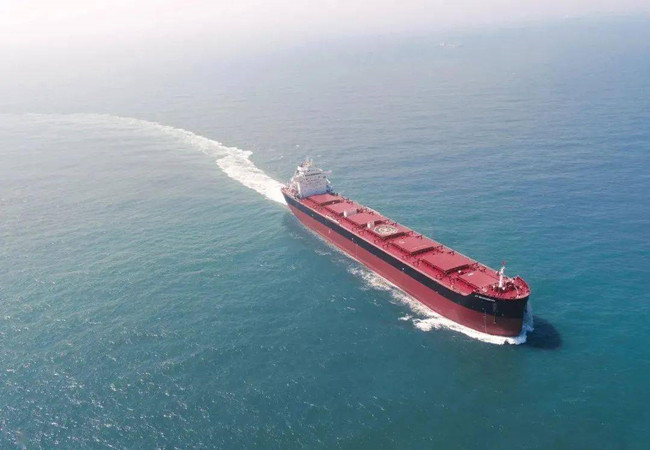
In the long river of human transportation, ships have always played a pivotal role. From ancient wooden sailing boats to modern large-scale cruise liners and cargo ships, ship technology has continuously evolved. Among numerous innovations, the emergence of electric ships is like a shining new star, bringing fresh vitality and transformation to the shipping industry. Today, let's step into the world of electric ships and explore their development history.
Early Exploration: Technological Sprouting and Initial Attempts
In the late 19th century, when battery technology was just beginning to emerge, the concept of electric ships started to take root in people's minds.
The 32-foot-long yacht "Wenona," built in 1899, used nickel-iron plate batteries immersed in potassium hydroxide to power its 5-horsepower electric motor. This enabled it to glide quietly, cleanly, and safely at a speed of 7 miles per hour, with each charge lasting for more than 8 hours. Elco Motor Yachts quickly gained a reputation and continued to improve electric boats and yachts.
From then on, Elco has been an innovator. It was the first shipbuilder to adopt standardized mass-production methods. It even launched the world's first boat showroom, located at Elco Harbor in Midtown Manhattan. The company also introduced direct financing and ongoing maintenance services after purchase.
At that time, early electric ships mainly operated in inland rivers and offshore areas. Electric ferries and sightseeing boats became unique sights on the waters. Although these early attempts were relatively small in scale and the technology was far from mature compared to today, they laid the foundation for the development of electric ships.
With the rapid popularization of internal combustion engine technology in the mid-20th century, ships powered by more powerful internal combustion engines with longer endurance became the mainstream. Electric ships encountered a huge setback and fell into a period of stagnation. However, some research institutions and enterprises did not give up on exploring the application of new energy sources in the shipping field. They turned their attention to hydrogen fuel cells, solar cells, etc. Unfortunately, due to the limited technological level at that time, these new energy technologies were costly, and their stability and efficiency were unsatisfactory, resulting in the failure of related attempts to achieve commercial application. Nevertheless, these valuable explorations accumulated experience and technological reserves for the subsequent resurgence of electric ships.
Technological Development: Lithium Batteries Bring New Opportunities
At the beginning of the 21st century, lithium battery technology witnessed a leap forward. This breakthrough injected a "shot in the arm" into electric ships, ushering in a new dawn for their development. The world's first electric ferry powered by lithium batteries, "Ampere," was put into operation by the Norwegian shipowner Norled in 2015. This landmark event marked a substantial progress in electric ship technology. Lithium batteries, with their advantages of high energy density and long cycle life, significantly improved the performance of electric ships.
Meanwhile, the international community's concern for environmental protection was on the rise. In 2008, the International Maritime Organization (IMO) passed an amendment to the MARPOL Convention, imposing stricter requirements on ship emissions. This policy acted as a catalyst, prompting governments and enterprises around the world to increase their investment in the research, development, and application of new energy ships, especially electric ships. In 2010, the European Union took proactive action and launched several new energy ship research and development projects, providing strong support from both policy and funding perspectives for the further development of electric ship technology and driving breakthroughs in multiple key areas.
Rapid Development: Policy Support and Technological Leaps Propel Progress
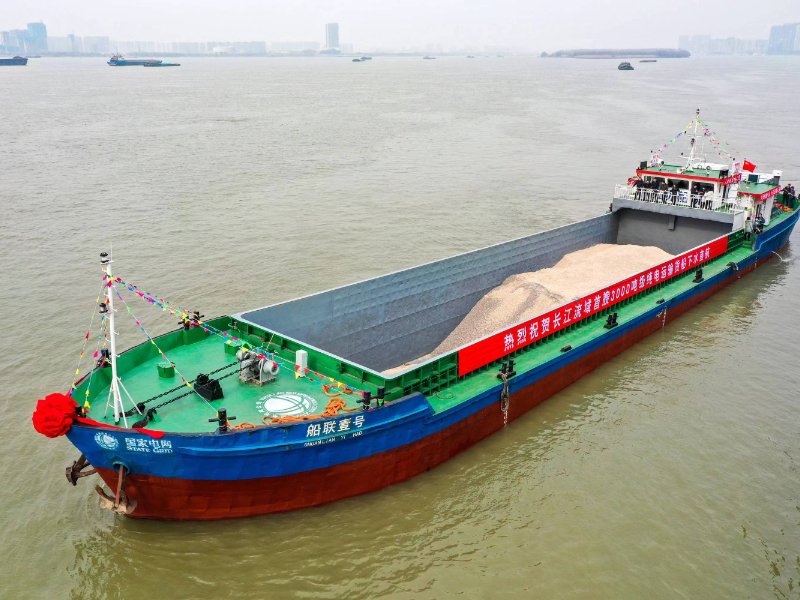
From 2020 to the present, the development of electric ships has entered the "fast lane." Governments around the world have introduced policies to strongly support the development of new energy ships. In March 2024, the State Council of China issued the Action Plan for Promoting Large-scale Equipment Renewal and Consumer Goods Trade-in, explicitly proposing to accelerate the scrapping and replacement of old high-energy-consuming and high-emission ships and vigorously support the development of new energy-powered ships. Policy support has created a favorable policy environment for the development of the electric ship industry, attracting more capital and technological investment.
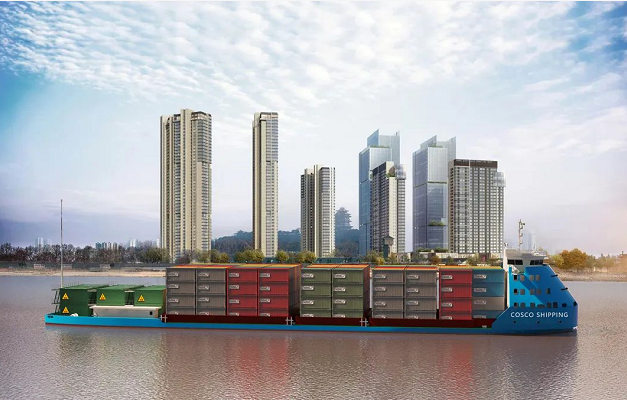
At the technological level, in 2025, a research team from Shanghai Jiao Tong University published a paper on innovative research results in electric ships and green shipping in Nature Energy. They proposed a planning method for a global offshore charging platform for maritime electrification, which increased the theoretical economic endurance of new energy ships from 3,000 kilometers to 9,000 kilometers. This breakthrough has greatly enhanced the feasibility of electric ships in long-distance shipping.
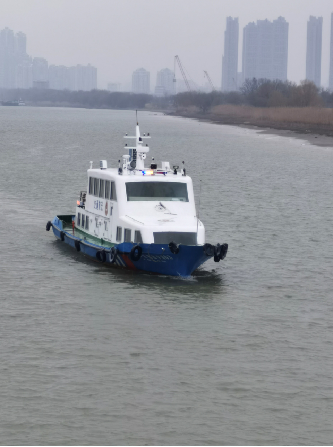
The market size has also shown explosive growth. In 2021, the market size of electric ships in China reached 9.48 billion yuan, a year-on-year increase of 12.9%. It is expected to reach 16.87 billion yuan by 2025. In 2024, the global market size of electric ships is expected to reach 10.41 billion US dollars. Taking Fujian as an example, it took the lead in entering the field in 2017 and has basically opened up the upstream and downstream of the electric ship industry chain, initially forming a complete industrial chain system covering research and development design, general assembly and construction, "three-electric" system development, operation support, and ship applications. Since 2024, "Fujian-made" electric ships have continuously achieved new breakthroughs, such as the successful maiden voyage of the pure electric passenger ship "Minjiang Reception Hall."
Looking back at the development history of electric ships, from the early difficult explorations to today's vigorous development, every step has been the result of the efforts of countless researchers and enterprises. With continuous technological progress and sustained policy support, electric ships are expected to occupy an important position in the future shipping industry and make significant contributions to achieving the goal of green and sustainable shipping development. Let's look forward to electric ships creating more brilliance in the future and leading the shipping industry towards a cleaner and more efficient tomorrow.

Contact Us
Email:
13813981680@139.com
Tel:
+86-17602544555
Address:
Building T1, Tianjijiang Lai-T1, Pukou District, Nanjing City