


Don't Just Focus on New Energy Vehicles! China's "Electric Storm" Has Just Begun
2025-12-26


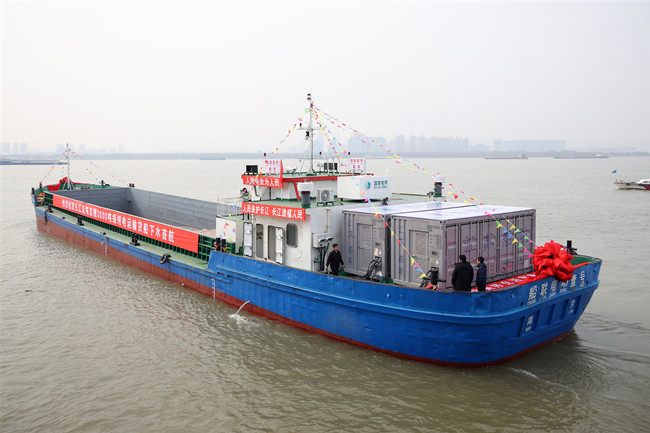
Thousands of ships are competing on the Yangtze River, and the wave of electrification is sweeping through inland waterways.
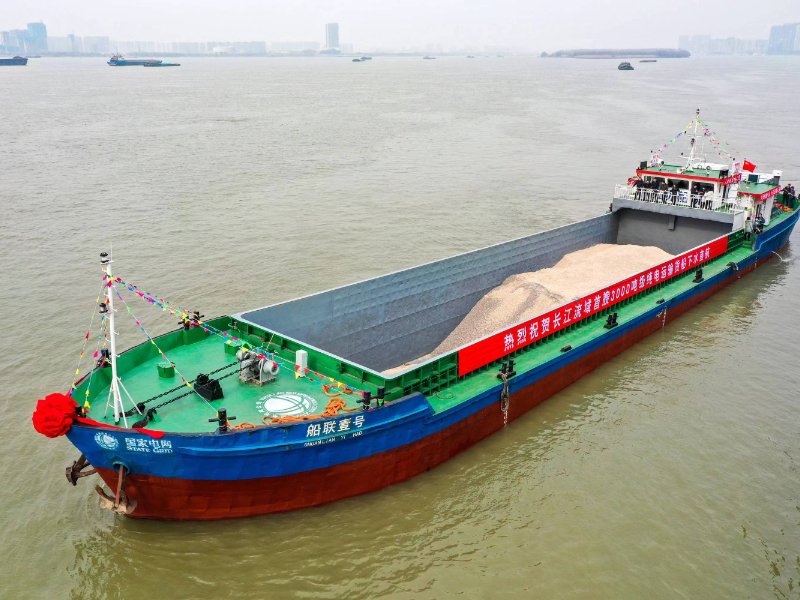
In recent years, the popularity of new energy vehicles has made many people overlook another rising track - electric waterborne vessels. Right on China's Yangtze River, the golden waterway, over 1,000 new energy ships are already shuttling between docks. And in the next five years, China will add nearly a thousand more electric cargo ships, passenger ships, and sightseeing boats.
The starting point of this "electric storm" lies in the dual impetus of policies and the market. Five Chinese departments jointly issued a document, explicitly classifying pure electric ships as an encouraged industry. Local governments are also offering substantial financial subsidies to ship owners and shipyards.
The explosion of the industrial chain is even more astonishing. From battery giants like CATL and EVE Energy to local shipyards and charging pile enterprises, hundreds of companies are flooding into this track. In Yichang, China alone, nine shipyards are operating at full capacity, with orders booked until the end of the year. They have even received overseas orders from Indonesia and Singapore.
An "Invisible Gold Mine" Accessible to Ordinary People
To put it simply, the dividends from this wave of electric ships are much easier to tap into than those from new energy vehicles!
First, Explosive Demand and Clear Financial Prospects
Eighty percent of the ships running on the Yangtze River in China are fuel-powered vessels that are over a decade old. These ships not only consume fuel like water - the diesel cost of one ship is equivalent to the annual wages of 30 workers - but also emit pollution ten times that of cars. Now, policies mandate the elimination of old and outdated ships. Ship owners either have to switch to electric ships or go out of business. The operating cost of electric ships is directly halved, with charging being 60% cheaper than refueling. Even tourists praise the quietness on board, where they can hear fish jumping into the water.
Second, Policy Dividends Pour in, Enabling Ordinary People to Profit Effortlessly
Shipyards are short of manpower! From welders to battery inspectors, salaries are 30% higher than those in traditional factories. For example, a shipyard in Wuhan, China, offers a monthly salary of 15,000 yuan, including accommodation, for a maintenance worker proficient in new energy. What's even better is that dismantling old ships can also be profitable. The steel and cables from a 10,000-ton cargo ship can fetch hundreds of thousands of yuan when resold, and there's no need to compete with the new energy vehicle industry for battery recycling business.
Third, Investment Opportunities Lurk in the Nooks and Crannies
Don't think that only giants like CATL can get a piece of the pie. Here's a little-known fact: the battery capacity of an electric sightseeing boat is equivalent to that of 30 electric vehicles, but the technical threshold for ship batteries is low, allowing second-tier manufacturers to also get a share. For example, Sunwoda's newly launched 314Ah battery cell is 12% smaller in volume than traditional batteries, directly saving ship owners 20% in cabin space costs. There's an even more hidden way to play - port charging piles. Currently, major ports across the country are rushing to build charging stations. A fast-charging pile occupying an area of 50 square meters can earn over 10,000 yuan in service fees per day.
Fourth, Ordinary People Can Also Make the Most of the "Ship Owner Economy"
Want to start a business? Open an electric ship rental company! In Hangzhou, China, someone spent 300,000 yuan to refit an electric sightseeing boat and takes tourists on a tour of West Lake on weekends, earning a net profit of 20,000 yuan per month. A more radical approach is the "battery separation" model, where ship owners only purchase the ship hull and lease the batteries, saving tens of thousands of yuan in initial investment. Even travel agencies are jumping on the bandwagon, launching "zero-carbon river tours" with doubled ticket prices that are still selling like hotcakes.
Don't Just Watch from the Shore After the Wind Has Passed
Ten years ago, when someone said that electric vehicles would replace fuel-powered vehicles, many scoffed. Today, the same story is unfolding on the Yangtze River in China. While everyone is scrambling to enter the new energy vehicle track, the "electric blue ocean" on the water has just started to ripple.
Here, there are policy supports, an explosion of rigid demand, and opportunities within reach for ordinary people. The next time someone says "there are no more opportunities in new energy," you can retort, "Have you ever seen the Yangtze River dock at four in the morning? There, electric ships are one after another scooping up the money bags from the fuel era."

Contact Us
Email:
13813981680@139.com
Tel:
+86-17602544555
Address:
Building T1, Tianjijiang Lai-T1, Pukou District, Nanjing City